
















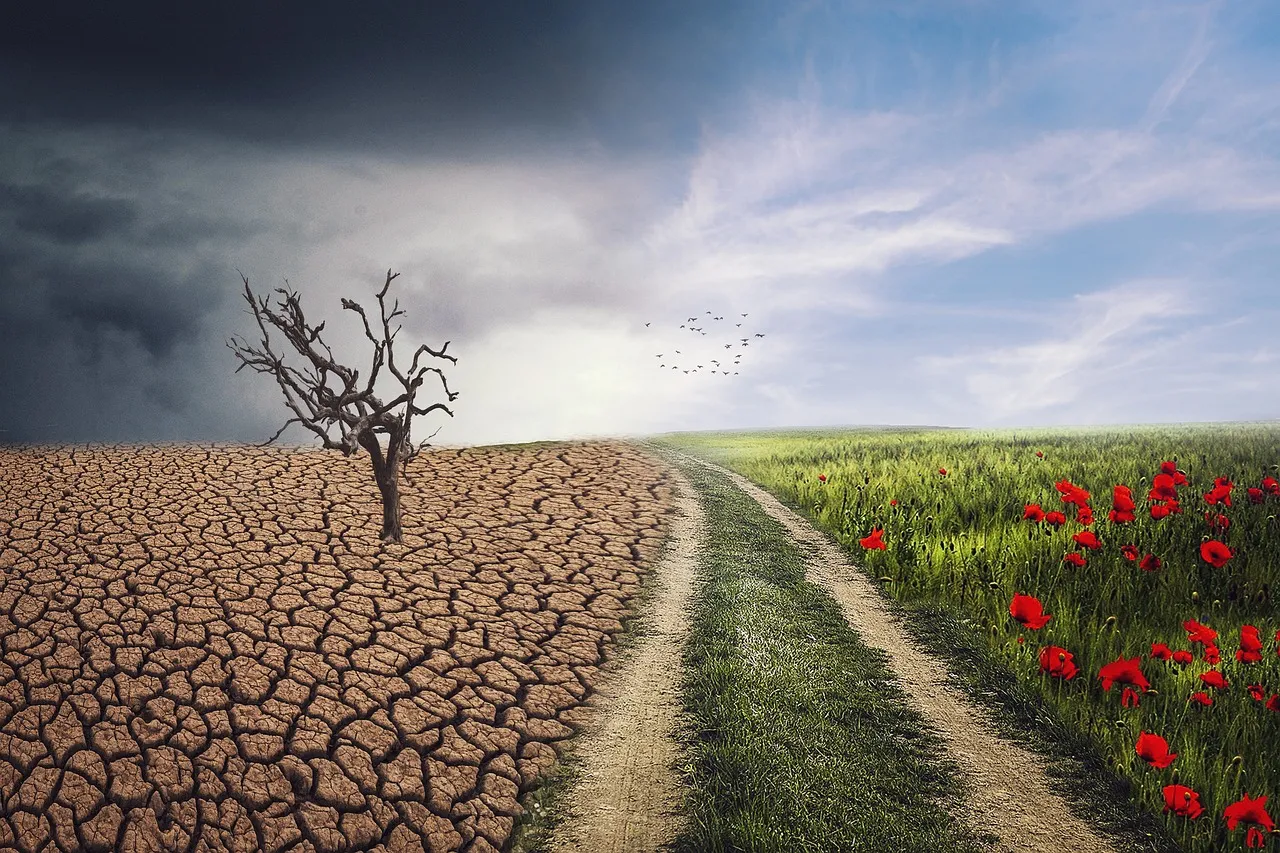
Despite mounting scientific evidence and the worsening effects of climate change across Ghana, a significant lack of public understanding—especially in rural communities—is hampering the nation’s ability to effectively respond to the growing crisis. Experts are now warning that unless Ghana urgently mainstreams climate education into national policy and development planning, its most vulnerable citizens will continue to suffer disproportionately.
According to the latest Afrobarometer survey, only 22% of Ghanaians understand what climate change is, while nearly half admitted they had never heard of it. This alarming knowledge gap persists even as rising temperatures, erratic rainfall, and floods disrupt livelihoods and exacerbate food insecurity across the country.
Climate Change as a Development Threat
Ghana’s Environmental Protection Agency (EPA) projects that average temperatures could rise by 2.5°C by 2080, while rainfall may decline by as much as 30% in key regions. These changes threaten to unravel gains in poverty reduction, agriculture, and rural development, as communities dependent on rain-fed farming face increasing unpredictability.
“Climate change is not just an environmental problem; it’s an economic and development emergency,” said Dr. Mahama Wayo Smith, a food security researcher at Tamale Technical University. “Without a serious policy shift towards climate literacy and early adaptation, we will continue to invest in recovery rather than resilience.”
Already, over 1.6 million Ghanaians are estimated to be at risk of food insecurity, according to the World Food Programme (WFP). Coastal erosion and rising sea levels continue to displace families in Greater Accra and the Volta Region, while the Northern regions endure prolonged droughts and crop failures.
Disconnect Between Reality and Public Perception
In rural areas, climate disruptions are noticeable—but rarely understood in scientific terms. Instead, many communities interpret these changes through religious or spiritual lenses.
“We’re witnessing environmental degradation, but in the absence of accurate information, many attribute floods and droughts to divine punishment,” said a local development officer in Northern Ghana. Farmers unknowingly pollute rivers with weedicides, while some religious leaders view extreme weather as prophetic signs of the end times.
This disconnect underscores the failure of national and local institutions to make climate change a central theme in civic education and local governance.
Call for Policy-Based Climate Literacy Programs
Experts and civil society actors are now pushing for a national policy framework that embeds climate change awareness across sectors—from education and agriculture to health and local governance.
“Agricultural extension officers, local assemblies, and schools must be part of a coordinated national effort to explain climate change in relatable, actionable ways,” Dr. Smith noted.
He emphasized that climate-smart agriculture, community water management, and disease prevention should be tied to public education campaigns led by trusted community figures such as traditional chiefs and religious leaders.
The Ghana Education Service (GES) is being called upon to integrate climate change into basic and secondary school curricula, equipping the next generation with the tools to navigate environmental uncertainty. Children, it is argued, can be agents of change in homes and neighborhoods.
Practical Resilience, Not Panic
While education is critical, stakeholders agree that messaging must be coupled with tangible interventions—climate-resilient farming techniques, local adaptation projects, early warning systems, and investment in health services.
“Communities must see and feel the benefits of adaptation,” said a local NGO representative. “A borehole, a demonstration farm, or a radio drama in local dialects has far more impact than technical seminars in cities.”
Conclusion: Time to Act Like Climate Change Is Real
Ghana’s position on the Climate Vulnerability Index as one of West Africa’s most at-risk countries demands decisive leadership. The climate crisis is already here—and the knowledge vacuum could make it far worse.
Bridging this gap is not just about raising awareness; it’s about integrating climate education into governance, budgeting, and development programming. Until this becomes a national priority, vulnerable communities will remain dangerously uninformed and unprepared.
The message from experts is clear: Climate resilience begins with climate literacy—and time is running out.






