
















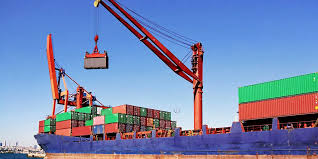
Ghana’s import-reliant economy is bracing for higher costs and supply chain disruptions as tensions affecting the Strait of Hormuz escalate, maritime experts have warned.
Mr. Fred Asiedu Dartey, Head of Freight and Logistics at the Ghana Shippers Authority, noted that 45.7 percent of Ghana’s imports—including rice, wheat, fuel, pharmaceuticals, machinery, and industrial goods—originate from the Far East. Any interruption along this key shipping route would directly impact the availability and pricing of these essential commodities.
Speaking at a media forum organised by the Ghana Ports and Harbours Authority, Mr. Dartey explained that freight charges, insurance premiums, and operational costs were already rising, with shipping lines introducing surcharges ranging from $1,000 to $4,000 per container to cover fuel and operational spikes. He warned that the landed cost of imports could mirror the soaring shipping rates seen during the COVID-19 pandemic, when container freight reached between $13,000 and $15,000.
“Bunker fuel makes up 30 to 60 percent of operating costs for vessels. Any increase in fuel prices translates directly into higher freight charges for importers and ultimately consumers,” he said.
Captain Francis Kwesi Micah added that disruptions in the strait would ripple through sectors beyond oil, affecting agriculture, pharmaceuticals, manufacturing, and financial markets. He noted that the Gulf region’s role as a fertilizer production hub could impact agricultural output globally, while pharmaceutical supply chains and investment flows could also be destabilised.
Experts cautioned that prolonged disruption could trigger inflationary pressures, higher living costs, and wider economic instability both in Ghana and internationally, highlighting the vulnerability of global supply chains to geopolitical shocks.






