
















The Africa Development Council (Africa Development Council) has opposed proposed reforms to elect Metropolitan, Municipal and District Chief Executives (MMDCEs), arguing that Ghana’s governance structure is better served by presidential appointments to maintain coordination and national policy direction.
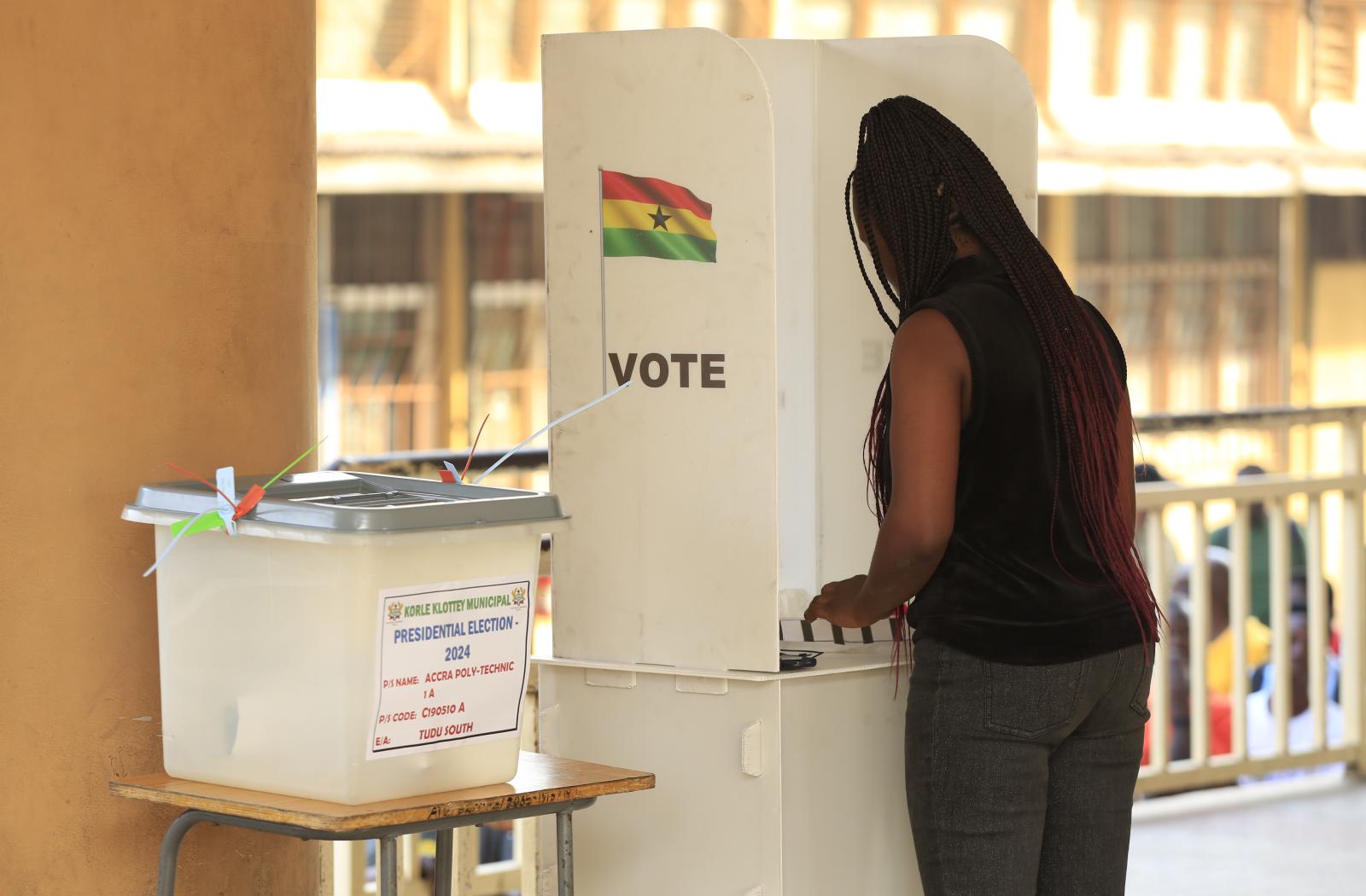
The position comes in response to Cabinet-approved reforms aimed at amending Article 243(1) of the 1992 Constitution to introduce non-partisan elections for MMDCEs across the country’s 261 assemblies, a move intended to deepen local democracy.
According to the Council, which focuses on sustainable industrial development in Africa, electing MMDCEs could create competing mandates between central government and district authorities, potentially weakening the implementation of national development programmes.
In a statement signed by its President, Bright Atsu Sogbey, and Secretary, Michael Ackumey, the organisation insisted that district chief executives must remain direct representatives of the President to ensure policy coherence.
The Council argued that Ghana’s unitary system depends on a clear chain of authority from the national government to the local level, with MMDCEs serving as key implementers of national priorities in areas such as education, health, infrastructure, sanitation, and employment.
It warned that electing MMDCEs could lead to political clashes between centrally appointed authorities and locally elected executives, especially where different political affiliations exist, potentially stalling development projects at the district level.
The ADC further raised concerns about job security for elected MMDCEs, noting that fixed electoral mandates would limit the President’s ability to remove officials who fail to align with national development goals or perform effectively.
Beyond governance concerns, the Council also questioned the financial implications of holding elections for all district-level executives, arguing that the resources involved could instead be redirected to productive sectors.
It proposed that funds earmarked for such elections could support an “Agriculture Mechanisation Initiative,” including investment in farm equipment, irrigation systems, storage facilities, and support services to boost food production and rural employment.
While acknowledging the importance of local participation in governance, the Council maintained that the priority should be ensuring efficiency, stability, and development impact rather than expanding electoral processes.
It concluded that maintaining the current appointment system for MMDCEs remains the most practical approach for Ghana’s development needs within a unitary state structure.






