
















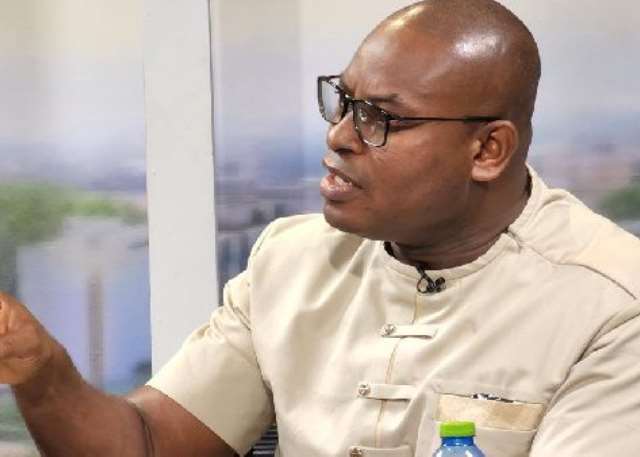
Communications Director of the opposition New Patriotic Party (NPP), Richard Ahiagbah, has cautioned the ruling National Democratic Congress (NDC) against politicizing the recent marginal stability of the Ghanaian cedi, insisting that the current gains are not the result of the incumbent administration’s policies.
In a statement shared via social media platform X (formerly Twitter), Mr. Ahiagbah credited the cedi’s performance to policy interventions made by the previous Nana Addo Dankwa Akufo-Addo and Dr. Mahamudu Bawumia-led government. He pointed specifically to the “Gold for Reserves” programme and other global market dynamics as key drivers of the currency’s recent trend.
“The NDC and government communicators are trying to take credit for the cedi’s performance, but it’s not working despite the deployment of their favorite Professors, PhDs, and industry affiliates,” Ahiagbah asserted.
He argued that apart from the gold reserves policy, other factors such as a rise in gold and commodity prices, the suspension of external debt servicing due to the Domestic Debt Exchange Programme (DDEP), and delays in contractor payments have contributed to reducing pressure on the cedi.
According to the NPP spokesperson, these temporary conditions should not be mistaken for solid macroeconomic management by the current government. Instead, he emphasized the need for the NDC to roll out concrete and forward-looking policies to ensure the cedi’s continued stability.
“The government must get serious, stop the gimmickry, and implement policies to sustain the appreciation of the cedi,” Ahiagbah warned.
His remarks come amid growing public discourse over the recent strengthening of the local currency, with some economists linking it to seasonal inflows, increased forex monitoring, and remittance trends.
While the NDC government has not directly responded to Ahiagbah’s claims, Finance Ministry officials have in recent weeks cited improved fiscal discipline and enhanced forex supply as reasons behind the relative appreciation of the cedi.
The political back-and-forth comes as Ghanaians continue to grapple with the broader effects of inflation, high cost of living, and economic recovery efforts in the post-COVID and post-DDEP era.






