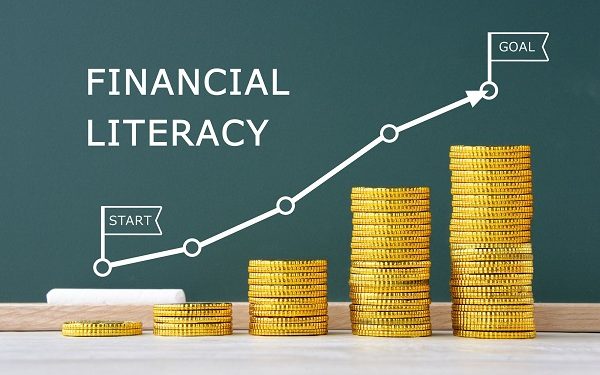
The Bank of Ghana has expanded its financial literacy campaign to senior high schools as part of efforts to equip young people with the knowledge needed to make informed financial decisions and safely navigate Ghana’s growing digital financial system.
The initiative targets students before they become active users of banking and digital financial services, with the central bank seeking to strengthen consumer protection and reduce financial mistakes linked to poor financial literacy.
Speaking on the sidelines of a financial education programme in the Western Region, Godfred Cudjoe of the Bank of Ghana’s Financial Stability Department said the decision to focus on second-cycle institutions followed years of public education targeting market women, media practitioners and the general public.
“Now we thought of having this also for our second cycle institutions. The idea is to catch them young. We want the same knowledge with the kids,” he said.
According to Mr Cudjoe, students are expected to share the knowledge they acquire with their families while also developing responsible financial habits that will benefit them throughout adulthood.
“Once they go home, they’ll be able to also explain some of the things to their parents and they themselves will be able to make some sound financial decisions,” he added.
The programme places significant emphasis on responsible borrowing, particularly as mobile lending and digital credit services become increasingly popular among young people.
Students are being educated on the consequences of loan defaults, the obligations of guarantors and the long-term impact poor repayment records can have on future access to credit.
The Bank of Ghana also used the sessions to correct common misconceptions about banking procedures, including the role of a next of kin on bank accounts.
Mr Cudjoe explained that a next of kin is simply a contact person the bank can reach if it is unable to contact the account holder and does not automatically become the beneficiary of funds held in the account.
“The next of kin is merely a point of contact in case the bank is looking for that customer and they can’t find,” he explained.
The programme further educated students on how to identify financial institutions licensed by the Bank of Ghana, protect confidential banking information, recognise genuine Ghana cedi notes and report complaints involving regulated financial institutions.
Participants were also advised against practices that damage currency notes, such as writing on them or spraying money during social events.
The financial literacy campaign is currently being implemented in selected senior high schools, including Archbishop Porter Girls Senior High School, Adiembra Senior High School and Mpohor Senior High School, as part of the Bank of Ghana’s broader strategy to nurture a financially literate generation capable of making sound financial decisions in an increasingly digital economy.