
















NPP’s internal contest heats up as Eastern Region becomes a political battleground
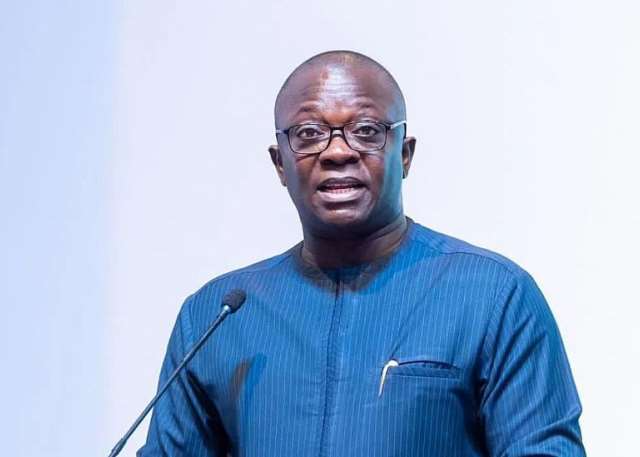
With the New Patriotic Party (NPP) presidential primaries scheduled for January 2026, presidential hopeful Bryan Acheampong has doubled down on his ambition, expressing firm confidence in securing the party’s flagbearer position despite rising support within the party for former Vice President Dr. Mahamudu Bawumia.
Speaking during a recent engagement with supporters in the Eastern Region—a key political stronghold—Acheampong claimed to enjoy widespread backing from his base and insisted he would emerge victorious in the race for the NPP leadership.
“I’m going to win the election. Let me tell you—I’m going to win the election,” he declared, citing what he described as strong grassroots momentum.
Acheampong’s confidence, however, comes against the backdrop of a coordinated endorsement of Bawumia by fifteen Members of Parliament from the Eastern Region, a move that signals deep divisions within the party’s internal contest.
At a press conference in Nkawkaw on Wednesday, the MPs lauded Bawumia’s policy record, asserting that his ideas—many of which were debated during the 2024 general elections—are now gaining traction across the country.
“After all the propaganda hurled against the NPP in the 2024 elections, it is becoming clear day by day that Bawumia was right in many of the things he proposed,” the MPs stated.
“Now is the time when more Ghanaians are warming up to his ideas. Changing him will be setting ourselves back by another 16 years.”
The public show of support for Bawumia is seen as an early attempt to consolidate pro-Bawumia forces within the party and prevent fragmentation ahead of the primaries.
Acheampong, a former Minister of Food and Agriculture and current Member of Parliament for Abetifi, appears undeterred by the endorsements, instead choosing to frame his campaign around grassroots mobilization and regional influence.
Observers say the brewing rivalry between Acheampong and Bawumia camps could pose challenges to party unity if not managed carefully. While the NPP has often prided itself on orderly internal processes, the intensity of this early campaign season suggests a more contested and ideologically charged race than previous cycles.
With both candidates commanding significant loyalty in the Eastern Region, the area is fast becoming a political litmus test for the broader party mood.
As the countdown to January 2026 continues, the NPP faces the delicate task of balancing healthy internal competition with the need to project cohesion and readiness ahead of the 2028 general elections.






