Burkina Faso, once considered one of the few African nations without anti-homosexuality laws, has moved sharply in the opposite direction after its transitional parliament passed legislation criminalising same-sex relations.
The bill, approved unanimously on Monday, introduces jail terms of up to five years and fines for anyone found guilty of engaging in homosexual acts. Justice Minister Edasso Rodrigue Bayala confirmed the penalties on state television, adding that foreigners convicted under the law would also face deportation.
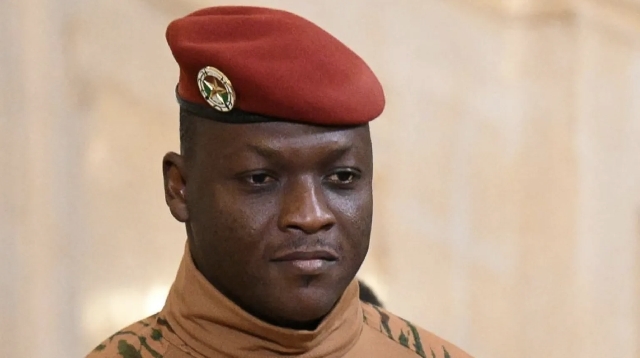
The measure now awaits the signature of the country’s military leader, Capt. Ibrahim Traoré, who seized power in 2022. Its adoption would mark a dramatic policy shift for Burkina Faso, which, unlike many former British colonies, had not inherited anti-gay legislation after independence in 1960.
With this decision, the Sahel nation joins neighbours like Mali—also under military rule—which last year enacted similar laws. It reflects a broader continental trend where socially conservative and religious values are being codified into laws that sharply curtail LGBT rights.
Once counted among only 22 of Africa’s 54 nations where same-sex relations were legal, Burkina Faso’s move reduces that number further. Critics warn this represents growing hostility toward LGBT communities across the region.
International financial institutions and human rights groups have previously pushed back against such measures. The World Bank suspended lending to Uganda last year in response to its harsh anti-LGBT law—although that ban was later lifted. Similar concerns are likely to follow Ouagadougou’s decision.
Uganda remains the continent’s harshest enforcer, with life sentences for consensual same-sex relations and the death penalty for what it calls “aggravated homosexuality.” Ghana and Nigeria have also passed or enforced restrictive measures in recent years.
For Burkina Faso, the legislation represents not only a domestic political statement but also an alignment with its regional allies in the Sahel, where military governments are increasingly legislating on moral and religious grounds.