
















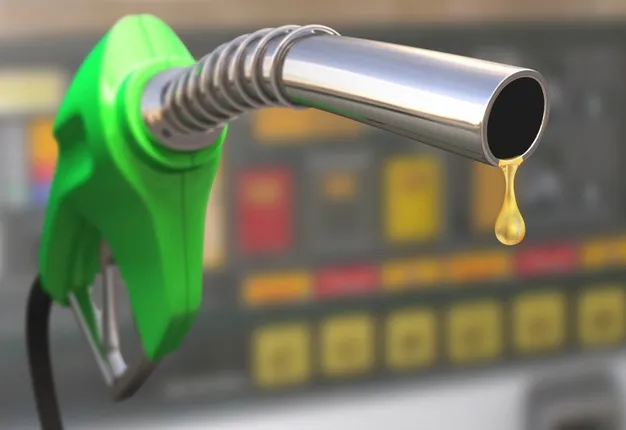
The Chamber of Petroleum Consumers (COPEC) has announced a notable drop in fuel prices, including a substantial reduction in diesel prices, effective today, Friday, May 16. This reduction marks a significant relief for consumers amid a steady decline in petroleum prices observed over recent months.
According to COPEC’s Head of Research, Paul Eric Ofori, diesel prices are set to fall by approximately 8.3% to 8.5%, representing one of the sharpest single-window cuts in recent memory. This translates to a drop of roughly 1 GHS per litre at the pumps, bringing much-needed relief to consumers who have faced high fuel costs in recent months.
Ofori, speaking on Channel One TV’s Breakfast Daily, highlighted that this trend follows a cumulative 25% to 26% decline in fuel prices since the second pricing window in February, demonstrating a sustained reduction across various fuel types.
In addition to the diesel price cut, petrol is expected to decrease by about 4%, while Liquefied Petroleum Gas (LPG) could see a more substantial drop of around 10%, providing a broader financial reprieve for both private motorists and businesses reliant on fuel.
However, Ofori expressed concerns about the sluggish pace at which Oil Marketing Companies (OMCs) reflect these reductions at the pumps. He noted that while OMCs are often quick to adjust prices upwards during price hikes, they tend to be slower in passing on the benefits of cost reductions to consumers.
“We want to appeal to the OMCs. Just as they respond swiftly to price hikes, they should equally be prompt in reducing prices when the market conditions favor it,” Ofori emphasized, calling for more transparency and fairness in the industry.
He also urged the Association of Oil Marketing Companies to ensure that its members align promptly with the new price reductions, emphasizing the need for a consistent and fair pricing approach that reflects the true state of the global petroleum market.
This latest round of price cuts is expected to bring some relief to consumers and businesses alike, helping to ease the financial pressures amid broader economic challenges.






