
















The government is proposing sweeping reforms to Ghana’s mining laws, including reducing the maximum duration of mining leases from 30 years to 20 years and introducing mandatory Community Development Agreements to ensure host communities benefit more directly from mineral extraction.
The proposed amendments to the Minerals and Mining Act, 2006 (Act 703), have received Cabinet approval and will soon be presented to Parliament, according to the Minister for Lands and Natural Resources, Emmanuel Armah-Kofi Buah.
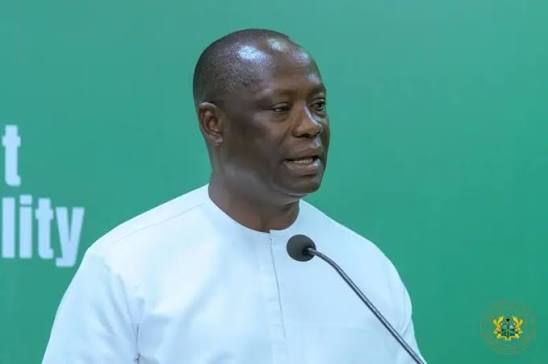
Speaking during the Government Accountability Series in Accra on Wednesday, July 15, Mr Armah-Kofi Buah said the reforms were designed to strengthen governance in the mining sector while ensuring the country and mining communities received greater value from Ghana’s natural resources.
A major feature of the proposed legislation is the reduction of the maximum duration of mining leases from the current 30 years to 20 years. Under the existing law, companies can obtain an initial 30-year lease with the possibility of renewing it for another 30 years.
The Minister explained that the shorter lease period formed part of broader efforts to improve oversight of the mining industry and ensure the nation’s mineral wealth delivered greater long-term benefits.
Another significant proposal is the introduction of mandatory Community Development Agreements, which would require mining companies to negotiate development priorities directly with host communities before mining operations commence.
Mr Armah-Kofi Buah said the initiative was intended to address persistent concerns from mining communities over inadequate development despite years of mineral extraction.
Under the proposed framework, communities would have a direct say in determining the projects they need, rather than relying on mining companies to decide the form of support to provide.
“There are always communities that complain about developments. Every mining lease will now include a community development agreement signed between the mining company and the community,” he said.
He explained that the new arrangement would replace the existing practice where mining firms independently selected projects such as water facilities or other forms of corporate social responsibility without formal negotiations with residents.
Instead, communities would identify and negotiate their priority development needs with mining companies, with both parties reaching mutually agreed commitments as part of the mining lease.
The Minister said the proposed amendments represented part of a broader package of reforms aimed at improving transparency, accountability and community participation in Ghana’s mining sector while ensuring that the country’s mineral resources contributed more effectively to national and local development.






