
















Debate is intensifying within the Ghana Registered Nurses and Midwives Association over its delegate-based electoral system, as members continue to weigh proposals for reforms against demands for a complete overhaul of the structure.
The discussion has been shaped by growing internal concerns about representation and leadership selection, with some members questioning whether the current arrangement allows broad participation in decision-making.
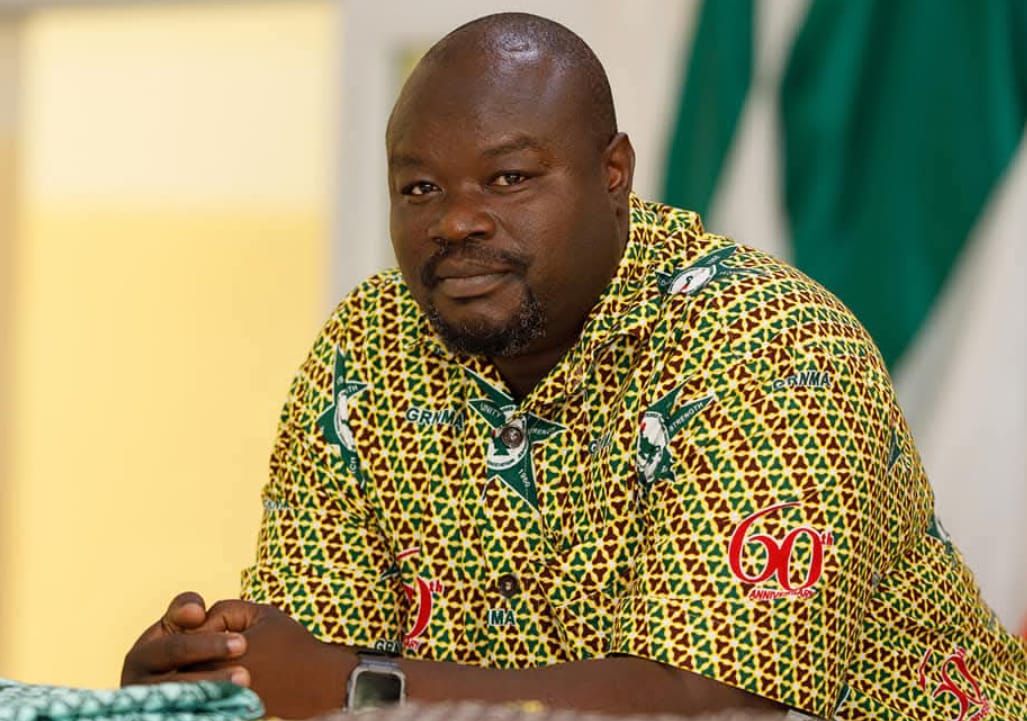
Responding to the debate, the Upper East Regional Second Vice Chairman of GRNMA, Moses Salifu Duut, defended the existing system, arguing that comparisons with political party primaries were misleading given the professional nature of the association.
He explained that unlike political parties, GRNMA operates as a professional body with structured constitutional arrangements designed to ensure efficiency, continuity, and balanced representation of members across the country.
Mr Duut maintained that delegates are not a detached elite but are elected from district and regional levels, adding that many serve as frontline nurses who understand the realities of the profession and its national operations.
He also dismissed claims that a small group of executives dominates leadership outcomes, stressing that the association’s leadership is itself elected and reflects diverse regional and professional interests rather than a single controlling bloc.
Supporters of the system argue that a delegate structure helps ensure informed decision-making, particularly in negotiations with government on issues affecting nurses and midwives nationwide.
Mr Duut further noted that shifting to a full direct voting system for the association’s large membership would present major logistical and financial challenges, including voter verification and nationwide election management.
On broader concerns about working conditions in the health sector, he argued that issues such as staffing shortages and poor remuneration are driven more by government funding constraints and health system management challenges than by GRNMA’s internal electoral structure.
While defending the current framework, he acknowledged that the GRNMA constitution allows for reforms and encouraged members to pursue changes through established constitutional channels, including regional conferences and national council processes.
He proposed possible improvements such as expanding regional representation, reducing executive tenures, and strengthening communication between leadership and ordinary members.
Mr Duut concluded that rather than dismantling the delegate system, reforms should focus on making it more transparent and representative, describing delegates as a practical mechanism for governing a large professional body.






