Minister for Health Kwabena Mintah Akandoh has warned that persistent inequalities in the distribution of health professionals across the country could undermine Ghana’s efforts to achieve Universal Health Coverage (UHC).
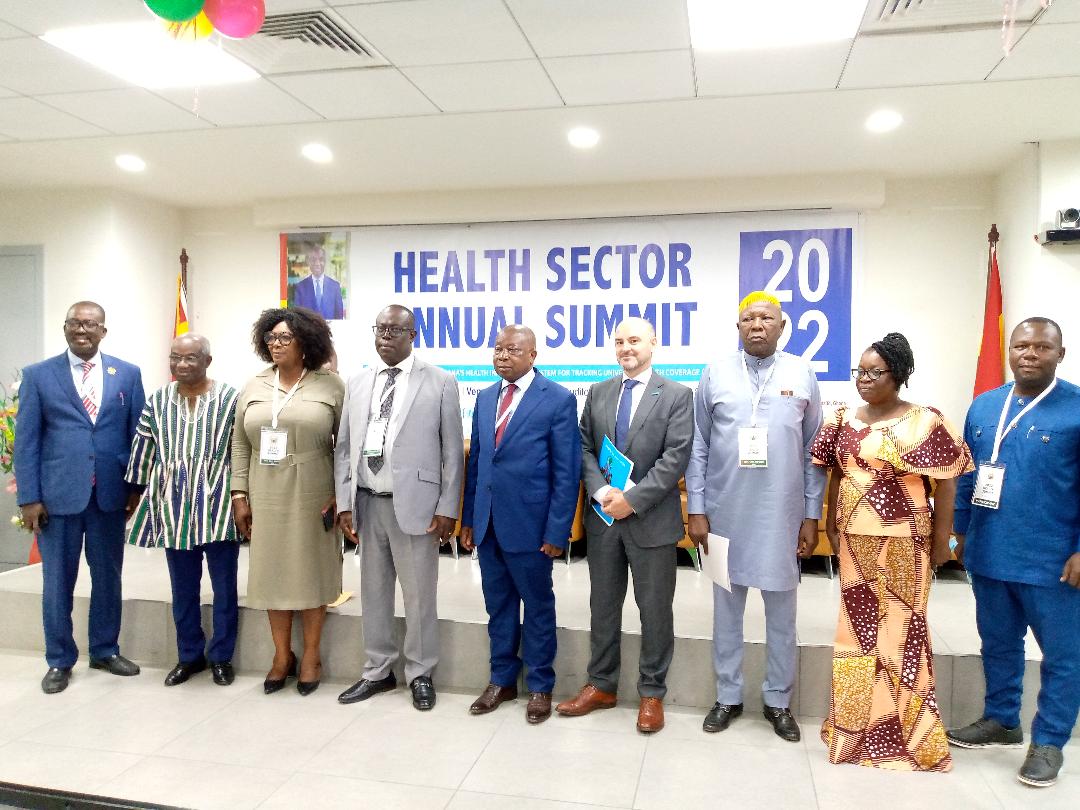
Speaking at the 2026 Annual Health Summit in Accra, Mr Akandoh said although Ghana has made significant gains in expanding healthcare access and increasing the number of health workers, many rural communities continue to face shortages of critical personnel.
According to him, while about 41 per cent of the population resides in rural areas, only 38 per cent of the country’s health workforce serves those communities. He noted that regions such as Greater Accra and Ashanti continue to attract a disproportionate share of doctors and pharmacists, leaving underserved areas struggling to meet healthcare needs.
“The challenge before us is no longer simply training more health workers. It is employing them, deploying them fairly, motivating them, supporting them and retaining them,” the Minister stated.
Mr Akandoh also highlighted the growing issue of health worker migration, revealing that many professionals continue to seek opportunities abroad despite increased investment in the sector.
To address the challenge, he announced that government recruited more than 14,000 health workers in 2025 and plans to employ an additional 16,000 in 2026, with recruitment already completed for about 8,000 personnel.
The Minister pointed to improvements in staffing underserved regions, noting that the number of doctors accepting postings to eight deprived regions increased from just 12 in 2024 to 100 in 2026.
He further disclosed that 475 nurses are currently undergoing specialist training, while government intends to train about 1,000 specialist nurses annually. In addition, 30 PhD scholarships have been awarded over the past year to strengthen leadership, research and specialised expertise within the health sector.
Despite the workforce challenges, Mr Akandoh said Ghana has recorded notable progress in healthcare delivery. Outpatient attendance rose from 29.9 million visits in 2021 to more than 39 million in 2025, while active National Health Insurance Scheme (NHIS) membership increased from 57 per cent to 66 per cent of the population over the same period.
He also cited a reduction in out-of-pocket health expenditure from 38 per cent to 26.7 per cent, describing it as evidence of improved financial protection for citizens seeking healthcare.
The Health Minister stressed that building a resilient health workforce goes beyond numbers and must include professionalism, ethics, accountability and compassionate care.
“We can build hospitals, procure equipment and digitise services. But if patients are not treated with dignity, respect and compassion, we will not achieve the outcomes our people deserve,” he said.
Mr Akandoh called on government institutions, development partners, professional bodies and healthcare workers to commit to practical measures that will improve recruitment, retention, equitable deployment and workplace conditions.
He maintained that investing in health workers remains essential to achieving Universal Health Coverage and ensuring quality healthcare for all Ghanaians.