President John Dramani Mahama has declared that his administration will treat Ghanaians equally regardless of their religious affiliations, insisting that his Christian faith will not compromise his constitutional responsibility to serve the entire nation.
He said leadership required fairness and respect for all citizens, including Christians, Muslims, traditional religious practitioners and those who do not subscribe to any religion.
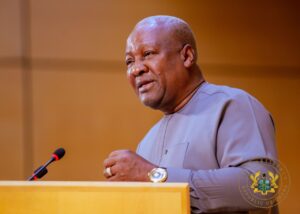
Speaking at the 10th World Assemblies of God Congress on Wednesday, October 14, 2026, under the theme “One Mandate, Every Nation,” President Mahama said his personal religious convictions could not take precedence over his duty to govern an increasingly diverse society.
“As President, I’ve sworn duty to serve every Ghanaian: Christians of every denomination, Muslims, adherents of traditional religion, and even our citizens who profess no faith,” he stated.
The President acknowledged that his approach to religious inclusivity had sometimes raised questions among some Christian leaders about his religious convictions.
However, he maintained that the presidency demanded impartiality and equal treatment, regardless of the faith or beliefs of the people involved.
He described Ghana’s religious diversity as one of the country’s greatest assets, urging citizens to protect the relationships that enable people of different faiths to coexist peacefully.
“Ghana’s religious diversity is our most precious possession, and we must continue to nurture the relationships that enable neighbours of different faiths to live, work and care for one another,” he said.
Drawing on his upbringing in a multi-faith family, President Mahama explained that differences in religious beliefs had never diminished the love and affection among his siblings.
“Nevertheless, our different religions do not affect the love and affection that we share,” he added.
Beyond religious tolerance, the President challenged churches to play an active role in national development by promoting honesty, compassion, responsible citizenship and peaceful coexistence.
He also emphasised the importance of preserving the church’s independence to speak against injustice and the suffering of vulnerable people.
His remarks reinforce the call for religious tolerance and mutual respect as essential foundations for Ghana’s social cohesion, particularly in a country where different religious communities continue to live and work together.