
















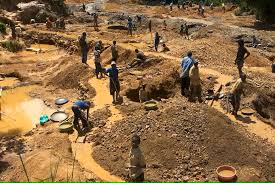
University of Ghana law lecturer, Professor Kwadwo Appiagyei-Atua, has strongly criticised the security strategy behind the recent military raid on a massive illegal mining settlement in the Western Region, describing it as incomplete and poorly coordinated.
In an interview on JoyNews’ AM Show, Prof Appiagyei-Atua said that while the destruction of the galamsey community—which housed over 10,000 residents—was a necessary step, the failure to arrest the gang leaders who orchestrate and profit from such operations renders the entire effort ineffective in the long term.
“The root of the problem is not just the miners on the ground—it’s the criminal leadership behind the scenes. If we don’t go after these gang leaders, they will simply relocate and rebuild,” he cautioned.
The hidden settlement had reportedly operated undetected for years, raising serious questions about intelligence-gathering and surveillance capabilities of Ghana’s security forces.
“These places don’t emerge overnight. They grow and thrive under a system of neglect or complicity. The state must ask itself how such a massive operation went unnoticed for so long,” the professor noted.
He criticised what he described as a lack of proper planning and coordination ahead of the military operation, suggesting that security personnel should have deployed more boots on the ground with a clear mandate to apprehend key suspects.
“Not arresting even a fraction of the estimated 2,000 people in the settlement points to a complete intelligence and logistics failure. The gang leaders, who tax residents and control every aspect of these illegal operations, were the prime targets—and they slipped away,” he said.
Prof Appiagyei-Atua also expressed concern that the authorities may not have fully assessed the scope of the community or the risks involved, which could affect future crackdowns.
“If we don’t evolve a smarter, more tactical approach that prioritises leadership arrests and network dismantling, we’ll be back here again—possibly with more violence and resistance next time,” he warned.
His comments come amid growing national frustration over the government’s inability to curb illegal mining and its damaging impact on Ghana’s environment, water bodies, and rural communities.
As the country debates the next steps in the fight against galamsey, experts like Prof Appiagyei-Atua are urging a pivot from symbolic gestures to concrete action—starting with those who control the illegal gold economy from the shadows.






