
















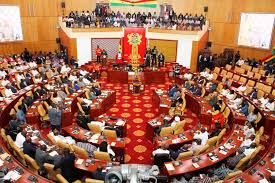
Parliament has approved the Customs Bill, 2026, paving the way for a sweeping overhaul of Ghana’s customs administration aimed at boosting domestic revenue collection, tightening border enforcement and improving trade compliance.
The legislation, passed after consideration of the Finance Committee’s report, is expected to provide customs authorities with stronger legal powers to combat smuggling, illicit trade and other customs-related offences while modernising procedures for imports, exports and transit operations.
The Bill forms part of the government’s broader strategy to enhance domestic revenue mobilisation and support the implementation of the 2026 Budget and Fiscal Policy.
According to the Finance Committee, the new law will consolidate existing customs legislation into a single comprehensive framework, replacing fragmented regulations that currently govern customs administration.
The Committee said the legislation would improve transparency at ports and border posts, reduce procedural bottlenecks and strengthen compliance among importers and exporters.
“By modernising our customs administration, we are creating an environment that facilitates legitimate trade, strengthens border controls and increases our capacity to mobilise revenue efficiently,” the Committee stated in its report.
The Bill was introduced in Parliament on July 23, 2026, by Kwame Governs Agbodza, Minister for Roads and Highways, acting on behalf of Finance Minister Dr. Cassiel Ato Baah Forson, in accordance with Article 106(2) of the 1992 Constitution.
It was read for the first time on the same day and referred to the Finance Committee for consideration under Article 106(4) of the Constitution and Order 226(2) of Parliament’s Standing Orders.
Once it receives presidential assent, the Customs Bill, 2026, will become the principal legal framework governing customs administration in Ghana.
Government expects the legislation to streamline trade processes, align Ghana’s customs regime with international best practices and strengthen the country’s ability to secure its borders while facilitating legitimate international trade.






