
















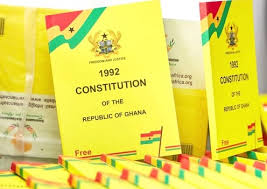
Advocates for persons with disabilities (PWDs) have called for their direct and meaningful involvement at every stage of constitutional amendments to ensure inclusive governance and disability-responsive laws. The appeal was made during a dialogue on constitutional reforms organized by STAR-Ghana Foundation in collaboration with CDD-Ghana and the British Council in Accra.
Participants stressed that meaningful engagement of PWDs is essential to comply with the United Nations Convention on the Rights of Persons with Disabilities (UNCRPD) and to ensure equitable representation in national decision-making. They urged a move away from tokenistic consultation toward a model of participation captured in the principle: “Nothing about us, without us.”
Key recommendations included providing accessible information, such as sign language interpretation and braille, ensuring reasonable accommodations, and guaranteeing direct representation of PWDs rather than relying solely on non-disabled intermediaries. Participants also advocated a shift from the traditional medical view of disability to a rights-based approach emphasizing dignity, equality, and inclusion.
Mr Moses Fordjour, Monitoring and Evaluation Manager at the Ghana Federation of Disability Organisations, called for constitutional recognition of the right to inclusive education and reasonable accommodations in education and employment, noting that denial of such accommodations should constitute discrimination.
Lawyer and activist Mr Oliver M. Barker-Vormawor urged that PWDs be included not only in drafting policies but also in their implementation and monitoring. He stressed the need for Ghana to align national laws with international standards, particularly the UNCRPD, to ensure full participation in public life. He further highlighted that women and girls with disabilities face compounded discrimination, requiring targeted policies and affirmative action measures.
The dialogue concluded that advancing disability inclusion in constitutional reform is critical for building equitable governance, social justice, and compliance with international human rights standards in Ghana.






