Mahama ,Flags ,Legal and Procedural Hurdles Ahead of Anti-LGBTQ+ Bill Assent
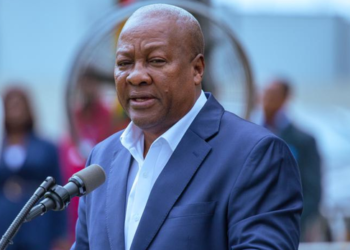
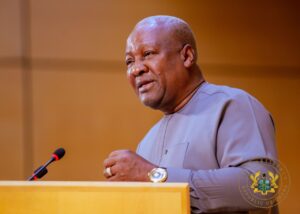
President John Dramani Mahama has cautioned that the Human Sexual Rights and Family Values Bill, 2025—popularly known as the anti-LGBTQ+ Bill—still has several legal and procedural hurdles to clear before it can be signed into law.
Speaking at a question-and-answer session at Chatham House in the United Kingdom on Monday, June 1, the President said the legislation is yet to complete the required constitutional and administrative processes for presidential assent.
He noted that although the bill has generated significant national interest due to its implications for family values and social policy, concerns have been raised about how it was passed in Parliament.
Among the issues flagged, President Mahama mentioned questions over whether there was a quorum during its passage, as well as alleged procedural irregularities in the legislative process.
He indicated that the Speaker of Parliament is already addressing some of these concerns, adding that the matter remains under review.
According to him, once the bill is formally transmitted to the Presidency, it will undergo detailed scrutiny by legal experts, including the Attorney General and presidential legal counsel, since it originated as a private member’s bill.
President Mahama explained that the Presidency is obligated to carefully examine the legislation before any advice is given on assent, especially where procedural questions arise.
He further outlined constitutional options available to the President, including referring the bill to the Council of State for guidance or returning it to Parliament if significant issues are identified.
In such a case, he said, Parliament would be required to reconsider the bill and address the specific concerns raised.
“So there’s still quite a while to go before that bill becomes law,” he noted, stressing that the legislative process is still ongoing.
The bill was passed by Parliament just days ago, but its future remains uncertain amid growing debate and scrutiny over both its content and the manner of its approval.