
















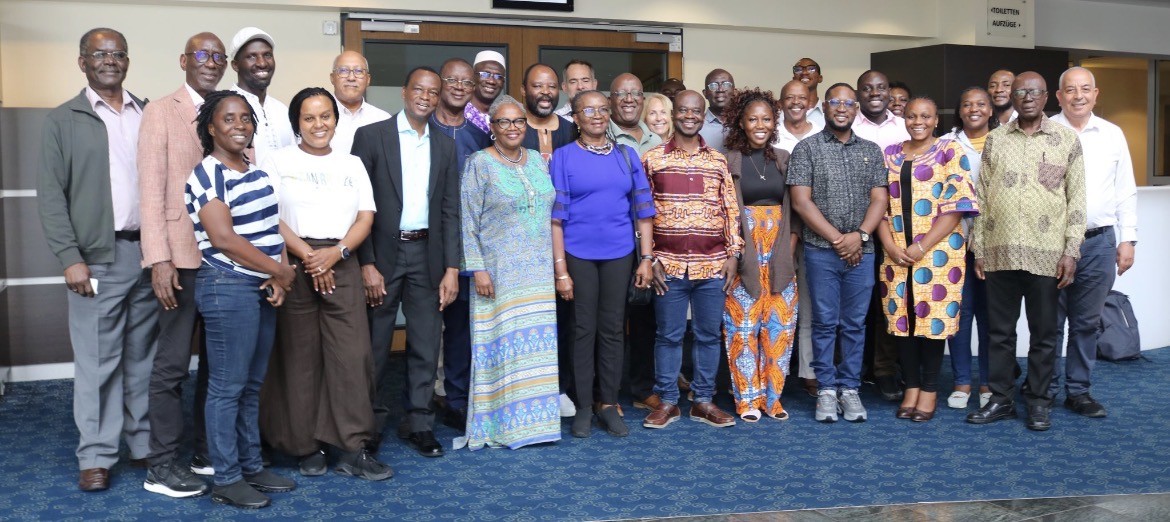
African climate negotiators have begun high-level coordination meetings in Bonn, Germany, as they prepare to strengthen and unify the continent’s positions ahead of the 64th Session of the UN Climate Change Subsidiary Bodies (SB64).
The consultations, led by coordinators of the African Group of Negotiators (AGN), are focused on aligning strategies across key climate negotiation areas, including adaptation, finance, loss and damage, mitigation, agriculture, just transition, climate and health, and carbon markets under Article 6 of the Paris Agreement.
Opening the session, AGN Chair Nana Dr Antwi-Boasiako Amoah urged delegates to maintain unity and discipline, stressing that Africa’s influence in global climate talks depends on a coordinated and consistent voice.
He said the upcoming negotiations would be critical for Africa’s push to secure stronger commitments on climate finance, enhanced adaptation support, and fair mechanisms for addressing loss and damage, while also advancing a just transition to low-carbon development pathways.
According to him, preparatory work discussed earlier in Accra remains central to shaping Africa’s negotiating approach, with emphasis on implementing a common platform that reflects the continent’s shared priorities.
“Our strength lies in our unity and our ability to speak with one voice,” Dr Amoah said, adding that consistency across all negotiation tracks would be key to securing meaningful outcomes for Africa.
The Bonn meeting is also reviewing progress on earlier AGN decisions and preparing coordinated messaging for high-level engagements expected during SB64, where African ministers and delegation heads will present unified positions.
Experts note that the discussions in Bonn will help set the tone for upcoming global climate milestones, including preparations for COP31 and early groundwork toward COP32, which Africa hopes to host.
Central to Africa’s agenda are demands for expanded climate financing, stronger adaptation frameworks, effective loss and damage systems, and improved access to carbon markets.
For African countries—despite contributing minimally to global emissions but facing some of the harshest climate impacts—the negotiations represent a crucial opportunity to push for fairness, equity, and stronger global support for climate resilience.






