
















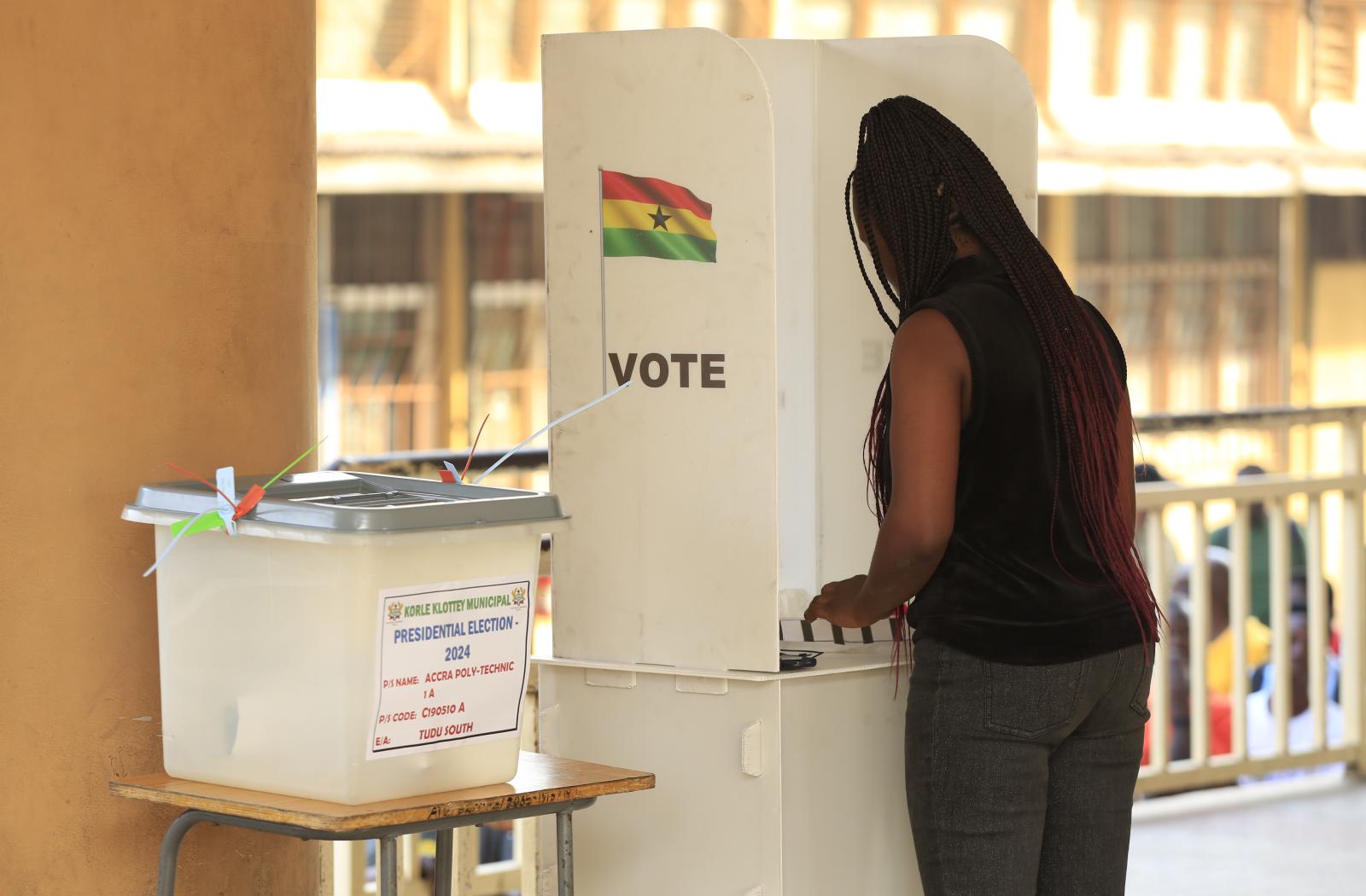
Cabinet has approved sweeping reforms to Ghana’s decentralisation framework, paving the way for the direct election of Metropolitan, Municipal and District Chief Executives (MMDCEs) and a comprehensive overhaul of local governance laws.
The reforms, outlined in the new National Decentralisation Policy and Strategic Framework (2026–2030), seek to deepen grassroots democracy, enhance citizen participation and strengthen accountability within local government administration. Under the proposal, MMDCEs will no longer be appointed by the President but elected directly by residents on a non-partisan basis.
Speaking on the reforms, the Executive Secretary of the Inter-Ministerial Coordinating Committee on Decentralisation (IMCCoD), Dr. Gameli Kewuribe Hoedoafia, said the current crop of MMDCEs appointed by President John Dramani Mahama could be the last to assume office under the existing constitutional arrangement.
He explained that the reforms would require amendments to Article 243(1) of the 1992 Constitution, transferring the power to select district chief executives from the President to the electorate. According to him, nationwide consultations indicated strong public support for electing MMDCEs, provided the process remains non-partisan.
Dr. Hoedoafia also disclosed that a new Local Governance Bill is being prepared to replace the existing Local Governance Act, 2016 (Act 936), with the proposed legislation expected to be laid before Parliament by the end of 2026.
The planned reforms further include the integration of spatial and development planning functions at the assembly level to improve coordination, land-use management and service delivery.
To strengthen transparency, the policy proposes the creation of a local accountability platform similar to Parliament’s Public Accounts Committee, where local officials will be required to account for the use of public resources. It also seeks stricter criteria for the appointment of government nominees to district assemblies and an increase in the District Assemblies Common Fund allocation from five per cent to 7.5 per cent.
The government believes the reforms will help build a more responsive, accountable and citizen-centred local governance system across the country.






