
















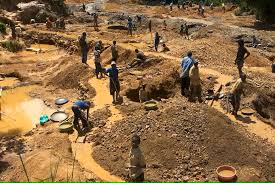
The Christian Council of Ghana has issued a strong warning over the escalating environmental crisis in the country, describing illegal mining (galamsey) as a moral failure that threatens Ghana’s survival.
In a statement marking the International Day of Forests and World Water Day, the Council raised alarm over the widespread destruction of forests and pollution of water bodies, revealing that nearly 60 percent of Ghana’s water sources have been contaminated.
Signed by General Secretary Rev. Cyril Fayose, the statement stressed that the continued degradation of natural resources is not only an environmental issue but also a threat to livelihoods, public health, and long-term national development.
The Council warned that illegal mining, alongside poor waste management and unsafe agricultural practices, is accelerating deforestation and water pollution. Ghana is reportedly losing about 135,000 hectares of forest annually, a trend it described as alarming and unsustainable.
Quoting global data from the Food and Agriculture Organization, the statement highlighted the economic importance of forests, noting that billions of people worldwide depend on them for survival, employment, and food security.
Despite commending government initiatives such as Green Ghana Day and other reforestation programmes, the Council called for more decisive and coordinated action to halt environmental destruction.
On water resources, it condemned the use of harmful chemicals such as mercury and cyanide in mining activities, as well as the discharge of untreated waste into rivers, warning that these practices pose serious health risks.
The Council also drew attention to the global water crisis, noting that over 2.2 billion people lack access to safe drinking water, with women and girls disproportionately affected—a key focus of this year’s World Water Day theme on water and gender.
Describing environmental protection as both a civic duty and a spiritual obligation, the Council urged citizens to take collective action. “Protecting our forests and water bodies is essential to securing our future,” the statement emphasized.






