
















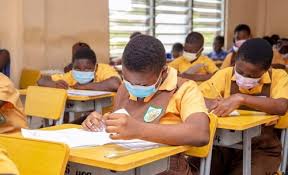
The Computerised School Selection and Placement System (CSSPS) has made about 600,000 placement slots available for admission into senior high schools (SHSs) and Technical and Vocational Education and Training (TVET) institutions, setting the stage for a highly competitive placement process for the 2026 Basic Education Certificate Examination (BECE) candidates.
According to the National Coordinator of the CSSPS, Mr Sherif Sulemana, the available spaces are expected to accommodate about 90 per cent of the more than 620,000 candidates who sat this year’s BECE nationwide.
Speaking in an interview monitored by the Ghana News Agency, Mr Sulemana explained that placement would be based on candidates’ aggregate scores, programme choices, boarding preferences and the availability of vacancies declared by schools.
He said candidates are required to select eight schools in order of preference, indicate their preferred programmes and choose whether they wish to attend as boarding or day students.
“The system first picks the candidate based on the aggregate score, then the programme, and boarding space,” he explained.
Mr Sulemana said that after WAEC releases the BECE results, the CSSPS receives the merit file and then works with senior high schools to determine the number of available vacancies before matching candidates to schools.
“Once the results are released, we take the merit file from WAEC, then we do vacancy declarations at the SHSs to ensure there are spaces available for these candidates. Once they are done with that, we take the data and match the choice against the grade and against the availability of space in the secondary schools. And so, it’s quite competitive,” he said.
Under the 2026 placement guidelines, candidates will be allowed to select a maximum of two Category A schools, with the remaining choices drawn from other categories.
Meanwhile, the Ministry of Education says senior high schools are preparing to receive the new cohort of students.
Mr Hashmin Mohammed, Press Secretary to the Minister of Education, said the government is expanding educational infrastructure to meet rising enrolment under the Free SHS policy.
He disclosed that additional classroom and accommodation facilities are being planned, with the Ministry aiming to complete major infrastructure upgrades and new school projects within the next two academic years.
“It is the expectation of the Ministry that within two academic years we should be able to have those infrastructures ready because we are going to upgrade some of the schools and then build new schools in some of the regions,” he said.
The placement exercise is expected to begin after the completion of school vacancy declarations and the processing of candidates’ examination results.






