
















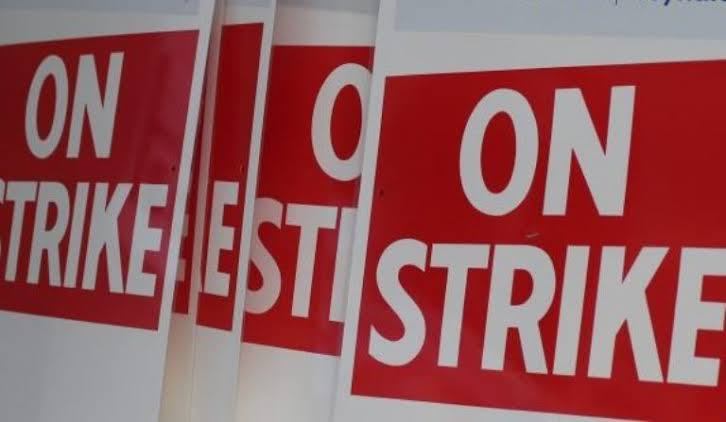
The Council of State is stepping in to help resolve the ongoing industrial dispute involving pre-tertiary teachers, with a meeting scheduled for Friday, October 9, to hear the concerns of the striking unions.
The engagement, scheduled for 1:00 p.m. at the Council’s Secretariat, is expected to focus on outstanding promotion issues, deprived-area allowances and negotiations for a Collective Bargaining Agreement (CBA) between the teacher unions and the Ministry of Education.
The meeting comes amid growing efforts by stakeholders to address the concerns raised by the National Association of Graduate Teachers (NAGRAT), the Ghana National Association of Teachers (GNAT) and the Pre-Tertiary Teachers Association of Ghana (PRETAG), which have cited the unresolved matters among the reasons for their industrial action.
An invitation signed on behalf of the Chairman of the Council’s Economic and Social Development Committee, HRM Drolor Rosso Adamtey I, indicated that the meeting would provide an opportunity for the unions to formally present their grievances to the Council.
While the Council prepares to engage the unions, the Controller and Accountant-General’s Department has reported progress in processing teachers’ promotion records, a key issue in the dispute.
Controller and Accountant-General Kwasi Agyei disclosed that his department had processed the promotion records of 52,000 teachers and received the necessary input forms from the Ghana Education Service (GES).
According to him, the update was current as of 2:00 p.m. on Thursday, October 8, with the records expected to undergo the necessary verification to facilitate salary adjustments and the payment of outstanding arrears.
The processing exercise follows a September 28 directive by Education Minister Haruna Iddrisu instructing the Director-General of the GES to submit the relevant data to support the payment process.
Friday’s engagement is therefore expected to provide an opportunity for the unions and the Council to discuss the outstanding concerns and explore possible ways of resolving the dispute.
However, the extent to which the meeting will address the unions’ demands and lead to an end to the industrial action remains to be seen.






