
















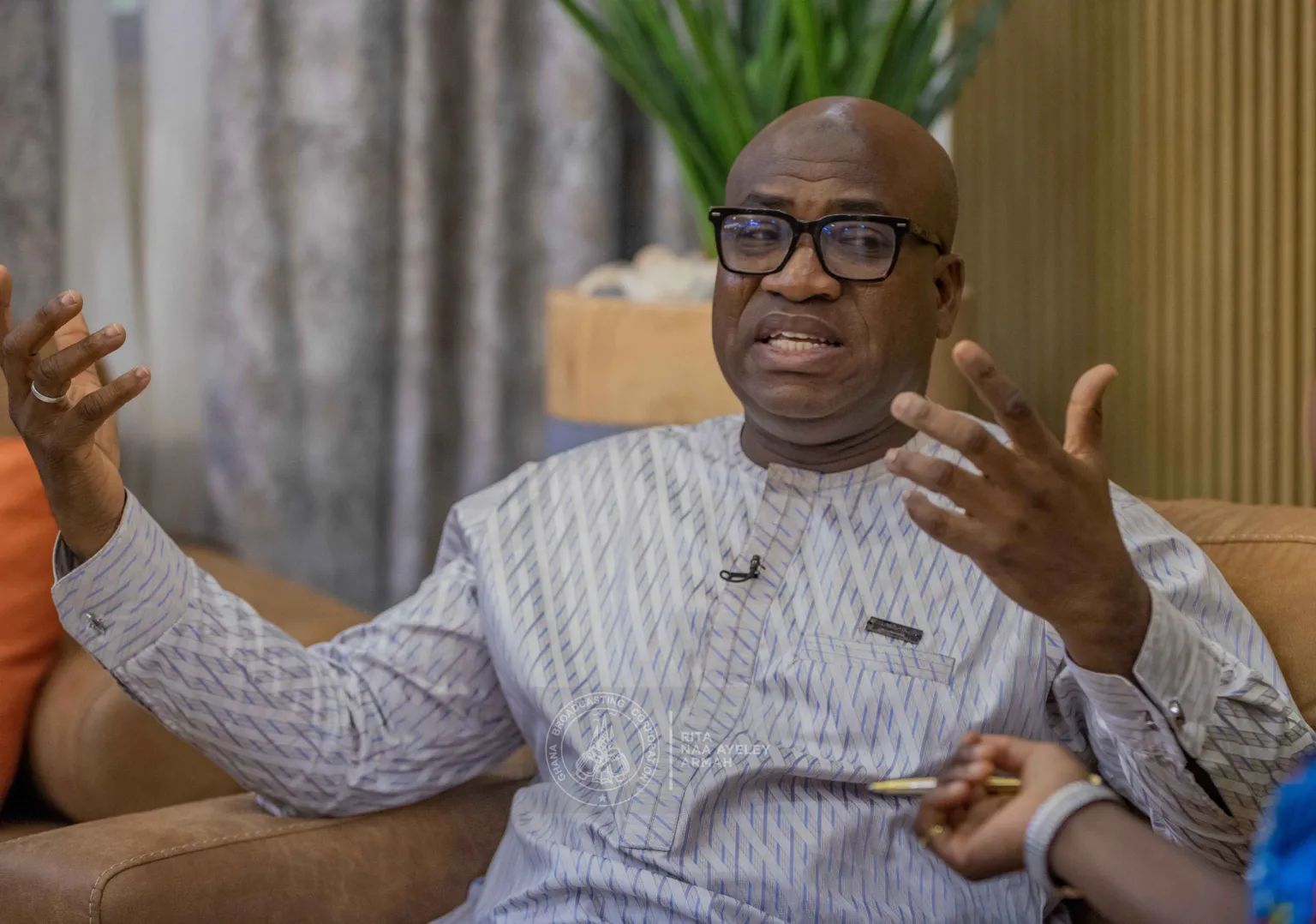
Newly appointed Minister for Environment, Science, and Technology, Dr. Ibrahim Mohammed Murtala, has raised concerns over Ghana’s environmental policies, calling for greater accountability and a more strategic approach to tackling issues like deforestation, pollution, and climate change.
Speaking on the GTV Breakfast Show with host Maltiti Sayida Sadick, Dr. Murtala Mohammed questioned the effectiveness of the Green Ghana Day initiative, which saw millions of cedis invested in tree planting across the country. He pointed out that there has been little tracking of the trees planted, and he is now calling for a thorough audit to account for the funds spent and assess the initiative’s true impact.
The Ministry of Lands and Natural Resources initially led the project, but Dr. Murtala Mohammed argued that it would have been better managed by the Ministry of Environment, Science, and Technology, which has the expertise to oversee environmental sustainability programs.
Beyond tree planting, the Minister also highlighted the worsening pollution of Ghana’s water bodies, particularly in regions affected by illegal mining (galamsey). Recounting his recent visit to Takoradi, where he represented President John Mahama at an event, Dr. Murtala Mohammed said he witnessed firsthand the devastating impact of illegal mining on the country’s rivers and lakes.
With citizens and environmental advocates raising the alarm, the Ministry is now looking for practical solutions to restore degraded land and water resources. However, funding remains a major challenge, as much of the financing for environmental projects comes from international partners. The Minister stressed that Ghana must explore alternative funding sources to sustain these efforts, especially as the country’s economic challenges persist. He cited rising interest rates and an unstable currency inherited from the previous government as obstacles to fully funding environmental programs.
Despite the challenges, the Ministry of Environment, Science, and Technology is pushing forward with bold new strategies to tackle climate change and pollution. One of these is the promotion of electric vehicles (EVs) to reduce greenhouse gas emissions. Plans are underway to create a nationwide network of EV charging stations, signaling Ghana’s commitment to clean energy solutions.
In an effort to encourage sustainable mobility, the government is also working to introduce electric motorcycles for Okada riders. This initiative will provide an eco-friendly alternative to fuel-powered bikes, reducing carbon emissions while supporting livelihoods.
Additionally, the government is launching an ambitious tree-planting initiative called the “Every Child Per Tree” campaign, which seeks to involve Ghana’s youth in reforestation efforts. The project will challenge children to plant and nurture trees, fostering a culture of environmental responsibility among the next generation.
Dr. Murtala Mohammed emphasized the need for massive tree-planting initiatives in Ghana’s Northern Belt, where desertification is a major concern. With support from local communities and international partners, the government is working towards a long-term vision of a greener, more sustainable Ghana.
The Minister remains optimistic that with proper accountability, funding strategies, and public engagement, Ghana can successfully combat deforestation, pollution, and climate change. A cleaner, greener Ghana is possible—but only with collective effort and long-term commitment.






