
















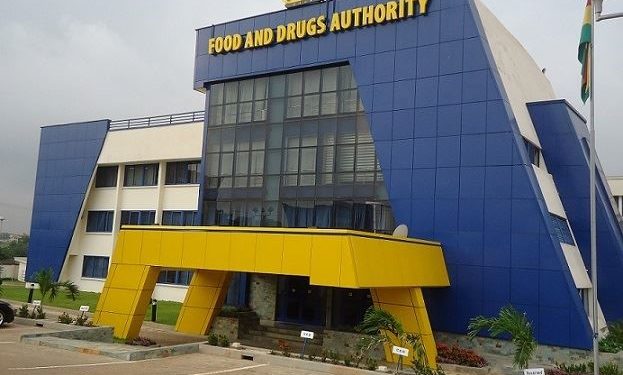
The Food and Drugs Authority (FDA) has called on consumers to play an active role in safeguarding their health by ensuring that restaurants, chop bars and other food outlets display valid food hygiene permits before patronising their services.
The appeal comes as the Authority intensifies efforts to improve food safety standards across the Upper East Region through continuous training and education of food handlers and operators.
Mr. Abel Ndego, Acting Upper East Regional Head of the FDA, said food hygiene permits serve as an assurance that food establishments have met the necessary safety and hygiene requirements stipulated by the Authority.
According to him, facilities granted permits have undergone assessment to ensure that food preparation processes do not pose health risks to consumers and that staff directly involved in food handling have been medically screened and certified.
“The permit indicates that all workers who have direct contact with food have been medically certified, and that the food preparation processes have been assessed and found not to pose any potential danger to consumers,” he explained.
Mr. Ndego made the remarks after a one-day training programme organised for restaurant operators, chop bar owners and food vendors from across the region.
The programme forms part of the FDA’s routine efforts to promote public health and strengthen compliance with food safety regulations.
Participants were taken through key aspects of food hygiene, quality management and preventive measures aimed at reducing contamination and foodborne diseases.
Mr. Ndego said the training was designed to equip food vendors with up-to-date knowledge and practical skills to improve hygiene conditions in their establishments and ensure safer food handling practices.
Topics covered included proper food storage techniques, stock management systems and internationally accepted inventory practices such as the “First In, First Out” (FIFO) and “First Expiry, First Out” (FEFO) methods.
These measures, he noted, help ensure that ingredients and food additives used in food preparation remain safe and compliant with regulatory standards.
The training also highlighted common food safety hazards and ways operators can prevent contamination throughout the food preparation and serving process.
Officials of the Ghana National Fire Service participated in the programme, offering guidance on fire prevention and safety measures within food service establishments.
Beyond the training sessions, participants were given the opportunity to engage directly with FDA officials, raise concerns and seek clarification on regulatory requirements affecting their operations.
Mr. Ndego emphasized that maintaining high food safety standards was a shared responsibility between regulators, food vendors and consumers.
He encouraged food business operators to consistently adhere to good hygiene practices and comply with FDA regulations, while urging the public to remain vigilant by verifying the certification status of food outlets before purchasing meals.
The FDA believes that stronger compliance among food vendors, coupled with increased public awareness, will contribute significantly to protecting public health and reducing food-related health risks across the region.






