
















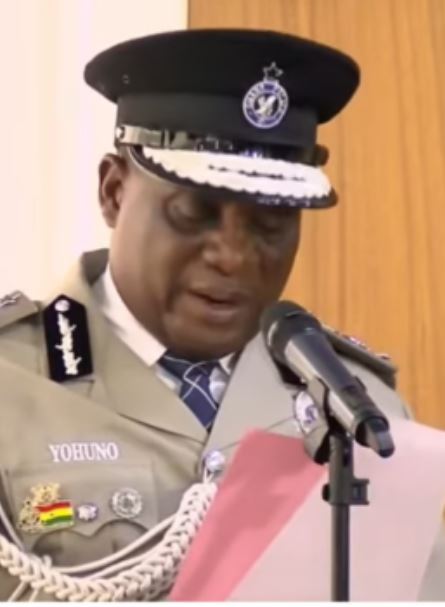
Inspector General of Police (IGP) Christian Tetteh Yohuno has announced a policy shift to lift the ban on police personnel engaging with the media, a restriction previously enforced by former IGP George Akuffo Dampare.
The decision comes as part of efforts to strengthen public cooperation in fighting crime and enhance transparency in policing.
Speaking at a Public Relations Officers (PROs) workshop on Thursday, March 20, IGP Yohuno underscored the critical role of communication in effective policing. He revealed plans to reactivate and restructure all Regional PROs and Police Affairs offices, ensuring better interaction between the police, the public, and the media.
“No society can effectively combat crime without the support and collaboration of its people. Effective policing is a partnership, and we must work closely with the communities we serve to foster a safer and crime-free environment,” he stated.
The IGP also highlighted that public confidence in law enforcement is key to police effectiveness. He emphasized that greater accountability and transparency will improve police legitimacy and help bridge the trust gap between the police and the public.
“At a time when the public demands greater accountability in our service delivery, a well-tested approach ensures police legitimacy and builds public confidence,” he noted.
The police administration under his leadership, he assured, is committed to re-establishing open communication channels, ensuring that both the public and media partners are kept informed on policing matters.
This policy reversal marks a significant departure from the previous administration’s stance, which limited police-media interactions under IGP Dampare. Many journalists and civil society groups had criticized the ban, arguing that it hindered access to critical information and weakened public engagement with law enforcement.
With this move, IGP Yohuno aims to foster stronger ties between the Ghana Police Service and the media, positioning transparency and public involvement as key pillars of his administration’s policing strategy.






