
















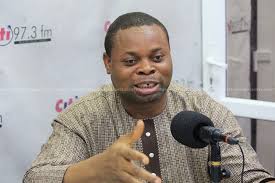
Franklin Cudjoe, renowned public policy analyst and founder of think tank IMANI Africa, has sharply criticized Ghana’s Foreign Affairs Minister over his reaction to comments made by US Senator Jim Risch concerning Ghana’s debt repayments to American companies.
In a social media post, Cudjoe described the minister’s response as confusing and misplaced, particularly given the ongoing diplomatic and trade engagements between Ghana and the United States. He questioned the relevance of the minister’s references to colonialism and reparations in the context of recent international debt discussions.
“I don’t understand why the minister brought up colonial imperialism and reparations for the transatlantic slave trade when the issue at hand was Ghana’s debt obligations to US firms,” Cudjoe said. “Considering the minister was recently in Washington, D.C., engaging with State Department officials on trade, a straightforward reply addressing the debt and aid withdrawal would have been more appropriate.”
Cudjoe suggested a more measured response might have acknowledged that the debts were contracted by the previous government and raised concerns over possible inflation or questionable clauses in the agreements. He also noted that the US has ceased its USAID support to Ghana, meaning Ghana no longer receives close to $160 million annually, countering claims of ongoing subsidies.
This development follows remarks from Senator Risch, who called on the Ghanaian Foreign Minister to cancel his Washington trip and prioritize repaying debts owed to US companies and taxpayers. The senator argued that while the US continues to support Ghana, the West African country is incurring larger debts with China.
In response, Ghana’s North Tongu MP Samuel Okudzeto Ablakwa issued a strong rebuttal, condemning Risch’s comments as offensive and hypocritical. Ablakwa accused the senator of ignoring America’s historical role in slavery and urged respect for Ghana’s sovereignty and foreign policy autonomy. He reminded critics that Ghana, under Kwame Nkrumah, was the first African country to break free from colonial rule and resist imperial influence.
Addressing the debt issue, Ablakwa highlighted that the US owes African nations significantly more in reparations than Ghana currently owes in external debts. He stressed that the current administration, though not responsible for the debts, remains committed to repaying them through a sustainable economic recovery plan.
These exchanges underscore the tense diplomatic discourse around Ghana’s international debt obligations and the broader legacy of historical injustices, revealing complexities in the country’s foreign relations and economic strategy.






