
















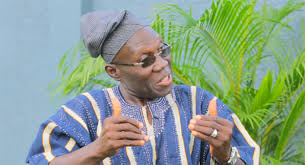
Former Tamale Central MP and legal expert, Inusah Fuseini, has weighed in on the recent political controversy involving Assin South MP, Rev. John Ntim Fordjour, asserting that the concept of parliamentary immunity in Ghana is more of a political convention than a legally binding shield.
His remarks come days after officials from the National Investigations Bureau (NIB) reportedly visited the residence of Rev. Fordjour to question him over allegations he made concerning two mysterious flights that allegedly entered Ghana under suspicious circumstances. The move has drawn criticism from members of the opposition, with some claiming it constitutes an attack on parliamentary privilege and an attempt to intimidate dissenting voices.
However, speaking on Channel One TV’s “The Big Issues,” Mr. Fuseini offered a nuanced legal interpretation, noting that while parliamentary immunity is recognized in practice, it is not grounded in explicit legal text.
“There is a general perception that MPs are immune to certain legal actions, but this is not an absolute right enshrined in law,” he said. “The idea of immunity evolved through political practice, particularly following incidents involving MPs like Dan Abodakpi and Mahama Ayariga. It’s more of a protective convention than a legal guarantee.”
Mr. Fuseini explained that the intention behind the convention was to prevent politically motivated prosecutions that could hamper MPs’ ability to carry out their duties. However, he cautioned that making such immunity absolute could violate Article 17 of Ghana’s Constitution, which upholds equality before the law.
“We must strike a balance,” he emphasized. “While we need to protect MPs from unnecessary legal harassment, we must also ensure that no one is above the law.”
His comments add a new layer of complexity to the ongoing debate, with some viewing the NIB’s actions as overreach, while others argue that MPs should not be immune from accountability.
The government has so far dismissed Fordjour’s claims about unauthorized flights as unfounded, but the manner of the NIB’s engagement has ignited a fresh conversation around the boundaries of parliamentary privilege, rule of law, and executive power.
As the public and lawmakers await further developments, Inusah Fuseini’s intervention may serve as a reminder that parliamentary conventions, though respected, remain open to interpretation—and challenge.






