
















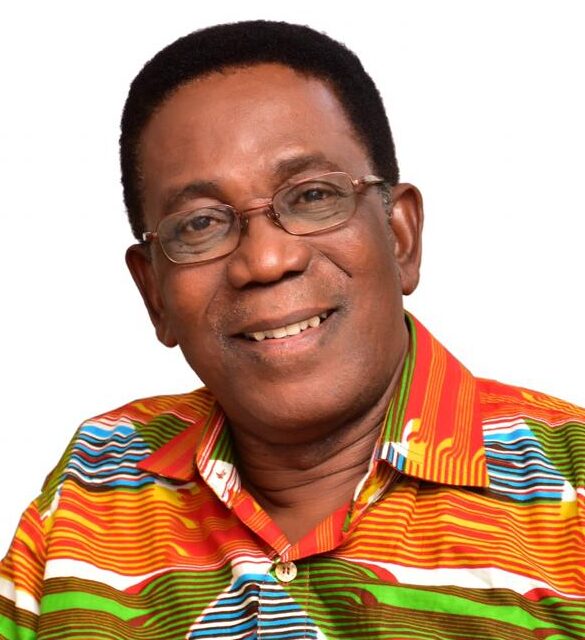
Former Minister of State and academic, Prof. Kwesi Yankah, has called on President John Dramani Mahama to withhold his assent to the recently passed Public Tribunals Bill, warning that the legislation could have serious implications for Ghana’s democratic and legal history.
In an opinion article titled “Tribunals: The Return of Terror,” Prof. Yankah argued that the proposed return of public tribunals risks reopening painful memories of the June 4, 1979 period, when several Ghanaians were tried and executed under a system he believes failed to guarantee adequate due process.
He said his concerns were informed, in part, by conversations he had in 1997 with relatives of some individuals executed during the June 4 uprising. According to him, the accounts revealed the enduring trauma associated with a justice system that was perceived to have lacked fairness and accountability.
Prof. Yankah criticised the tribunals of the revolutionary era for what he described as expedited proceedings, harsh punishments and limited avenues for accused persons to properly defend themselves.
He referred to the system as “Rapid Results Panels,” arguing that acquittals were rare and that the process raised fundamental questions about justice and the protection of individual rights.
The former minister also questioned the decision to reintroduce public tribunals despite recommendations by the Constitution Review Committee, chaired by Prof. H. Kwasi Prempeh, for their removal from Ghana’s constitutional framework.
He noted that although public tribunals are recognised under Articles 126 and 142 of the 1992 Constitution, the review committee recommended that their functions be absorbed into the ordinary court system.
Prof. Yankah further criticised the circumstances surrounding Parliament’s passage of the Bill, alleging that it was approved late at night after the Minority had opposed it and subsequently walked out of the chamber.
He also expressed concern over what he described as broader indications of a possible return to aspects of revolutionary-style governance, citing recent arrests, bail conditions imposed on political opponents and the government’s anti-corruption campaign.
Against this background, Prof. Yankah urged President Mahama to carefully consider the historical and constitutional consequences of the legislation before deciding whether to sign it into law.
He warned that the President’s decision could become an important part of his legacy and appealed to him to reject the Bill, arguing that its passage could revive painful memories of fear, injustice and the denial of due process associated with past tribunal systems.






