
















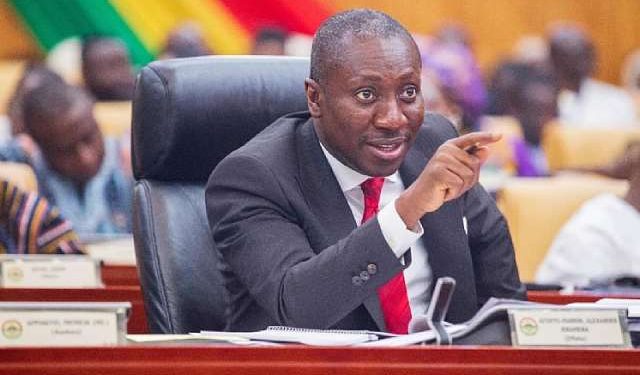
The Minority in Parliament is raising strong concerns over what it sees as a coordinated attempt to undermine the independence of the judiciary, following petitions submitted against the Chief Justice, Her Ladyship Justice Gertrude Torkonoo.
In a press conference at Parliament, John Darko, Member of Parliament for Suame, sounded the alarm on what he described as a dangerous effort by the government to sideline the Chief Justice and install allies of the ruling administration in her stead. He likened the situation to some of the most disturbing chapters in Ghana’s political history—when judges were targeted and murdered for their rulings.
“We are deeply troubled by attempts to invoke Article 146 (10)(a) of the Constitution to suspend the Chief Justice and replace her with persons aligned with the current administration,” Darko said, warning that such moves could erode public trust in the judiciary and destabilize Ghana’s democratic framework.
The concern stems from three separate petitions that were submitted last month to President John Mahama, calling for the removal of Justice Torkonoo. The President has since referred the petitions to the Council of State for preliminary assessment—a constitutionally mandated step to determine whether the allegations warrant further inquiry.
The Minority Caucus, however, is questioning the basis of the petitions, which include accusations that the Chief Justice gave legal advice to the President on judicial appointments, ruled on a politically sensitive case involving the Speaker of Parliament, and misappropriated GHC 75,000—allegations they strongly dismissed as baseless and politically motivated.
“These are not just flimsy claims—they are dangerous,” the Minority stated. “How can we, as a democracy, flirt with the idea of removing the head of the judiciary based on hearsay and politically charged allegations?”
Framing the issue as part of a broader effort to centralize power within the executive branch, the Minority urged Ghanaians from all walks of life—civil society, religious and traditional leaders, and development partners—to be vigilant and resist any move that threatens the separation of powers.
“This is not just about one individual,” the MPs warned. “It is about preserving the last line of defense in our constitutional democracy.”
As the Council of State continues its review process, public interest in the outcome of this unfolding episode remains high, with many observers watching closely to see how Ghana balances constitutional procedure with the protection of judicial independence.






