
















A storm is brewing in Parliament following President John Dramani Mahama’s directive to restore broadcast authorization to 64 radio stations previously shut down by the National Communications Authority (NCA) for regulatory breaches. The move, which was intended to promote media freedom, is now being fiercely criticised by the Minority New Patriotic Party (NPP) Caucus, who see it as a constitutional overstep and threat to regulatory independence.
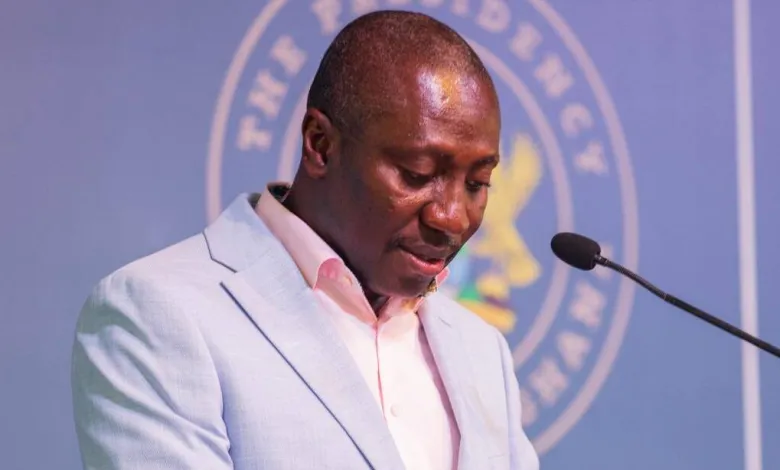
Leading the charge is Mr. Charles Asuako Owiredu, MP for Abirem and Deputy Ranking Member on Parliament’s Communications and Information Committee. Speaking to the Parliamentary Press Corps, Owiredu described the President’s directive as a “populist stunt” that dangerously undermines the authority of an independent regulatory body.
“This is more than a media policy disagreement,” Owiredu asserted. “It is a brazen assault on institutional autonomy and the rule of law — a fundamental breach of the separation of powers.”
The NCA, acting within its statutory mandate under the Electronic Communications Act, had deactivated the operations of the 64 stations, citing long-standing non-compliance and lapsed authorisations. However, within hours of the closures gaining public attention, President Mahama ordered Communications Minister Sam Nartey George to work with the NCA to reverse the shutdowns and provide a path for regularisation.
While the President and his supporters have framed the move as a gesture to protect media freedom, the NPP Minority warns it sets a dangerous precedent.
“The President has effectively declared that regulatory enforcement is optional if it clashes with political convenience,” Owiredu said. “Are we a nation of laws, or a nation ruled by executive whims?”
The caucus argued that allowing the executive to override independent regulators on policy grounds weakens public institutions and undermines constitutional democracy.
“When we permit presidents to pick and choose which laws to follow, we lose the impartial application of justice. Today it’s radio licences. Tomorrow, what else?” Owiredu asked.
The NPP Minority is calling for an immediate reversal of the presidential directive, and is urging Parliament to assert its oversight role in defending the independence of statutory bodies.
The debate now highlights a broader tension between governance reform and regulatory independence, raising critical questions about how far executive power should go in balancing law enforcement with public sentiment — especially in sensitive areas like media regulation.






