
















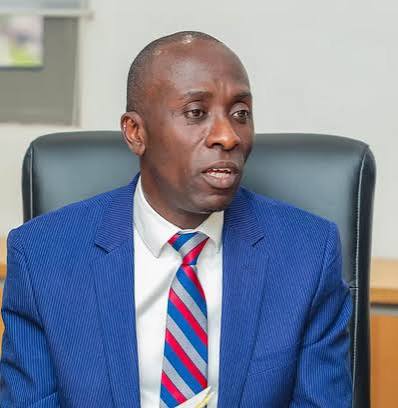
Political commentator Owusu Bempah has apologised to President John Dramani Mahama and the National Democratic Congress (NDC), saying he now regrets the intensity of his criticism of the President during the period leading up to the 2024 general election.
Speaking on Angel FM, Bempah acknowledged that his political commentary between 2020 and 2024 sometimes crossed the line into excessive personal attacks, which he attributed partly to partisan emotions.
He said his decision to apologise was based on a reassessment of his earlier views after observing the Mahama administration since it assumed office.
According to Bempah, his experience of the current administration has led him to reconsider some of the positions he previously held about the President and his approach to governance.
He consequently appealed directly to President Mahama for forgiveness, admitting that some of his previous remarks were harsher than he now considers appropriate.
Bempah, who has for years been a vocal critic of Mr Mahama and the NDC, said political commentators should be prepared to acknowledge when their assessments change.
He stressed that admitting an earlier position was wrong should not be interpreted as weakness, arguing that responsible commentary requires individuals to respond to developments as they occur rather than remain tied to past political positions.
The commentator also described himself as a private citizen rather than an official representative of either the New Patriotic Party (NPP) or the NDC.
He used the opportunity to caution political communicators against personal attacks, misinformation and inflammatory rhetoric, saying such practices could deepen political divisions and undermine constructive democratic debate.
Bempah urged commentators to concentrate on substantive issues and distinguish between political disagreement and personal attacks. He also called for greater willingness among political actors and commentators to acknowledge policies or developments they consider beneficial, regardless of the political party involved.
His comments have generated varied reactions, with some welcoming the public apology while others questioning whether the change in tone would be sustained.
Bempah, however, maintained that his decision was driven by personal conviction rather than political expediency, insisting that his future commentary would be based on his assessment of developments rather than past partisan loyalties.
His remarks have also reignited discussion about the responsibility of political commentators and the need for greater accountability in Ghana’s increasingly competitive political discourse.






