
















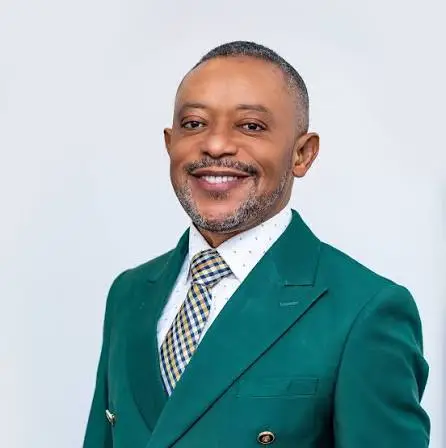
The Ghana Muslim Forum for Peace and Unity has cautioned religious leaders against making pronouncements that suggest they can determine the political destiny of individuals, following recent comments by Rev. Owusu Bempah about former Vice President Dr Mahamudu Bawumia.
The Forum said political leadership was ultimately determined by God and could not be dictated by any individual, regardless of their religious or public influence.
In a statement issued on Thursday, September 10, and signed by its Executive Secretary, Dr Zakari Abdul Rahman, the group said it was concerned about what it described as recent attacks on Dr Bawumia by Rev. Owusu Bempah.
The Forum said religious teachings from both Islam and Christianity affirmed that sovereignty and political authority ultimately rested with God.
It cited Qur’an 3:26, which states that God gives sovereignty to whom He wills and takes it away from whom He wills, as well as Daniel 2:21, which says God deposes kings and raises others.
The group said those teachings demonstrated that no religious figure could claim the authority to determine whether Dr Bawumia would or would not become President of Ghana.
“We wish to remind Rev. Owusu Bempah that Bawumia’s destiny lies in the hands of God, not you. You did not create him, you do not sustain him, and you cannot determine his future,” the statement said.
According to the Forum, if it was God’s will for Dr Bawumia to become President, no individual could prevent it, while if it was not, human efforts could not make it happen.
The group therefore criticised what it described as an attempt to use religious influence to pronounce on the political future of another person.
It described such conduct as “an attempt to play God” and “a dangerous display of religious extremism.”
The Forum stressed that political leadership should not be reduced to the personal declarations or predictions of religious personalities.
“You are not God to decide who becomes President. Bawumia’s destiny is in the hands of God, not you,” it said.
The group called for restraint and responsible engagement in public discourse, particularly when religious authority and partisan politics intersect.






