
















The New Patriotic Party (NPP) is turning its post-election defeat into a springboard for reinvention and resurgence, with top officials signaling a major internal shake-up and strategic revival ahead of the 2028 elections.
Speaking on Joy News’ PM Express on Wednesday, April 16, Deputy General Secretary Haruna Mohammed revealed that the party has begun implementing recommendations from a high-level internal review aimed at diagnosing its 2024 electoral loss and positioning it for a stronger future.
The report, presented by a committee chaired by former Speaker of Parliament Professor Mike Ocquaye, marked a pivotal moment in the NPP’s effort to retool its structure, messaging, and grassroots engagement.
“We’ve taken a hard look in the mirror,” Haruna said. “This isn’t just about bouncing back; it’s about rebuilding smarter, stronger, and more connected to the people.”
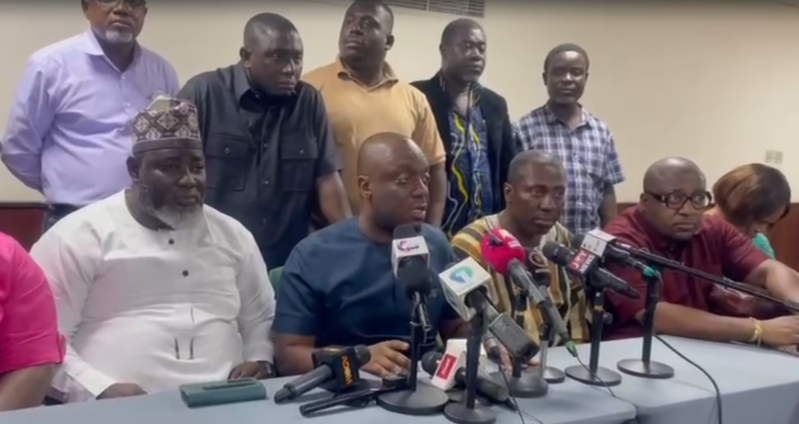
The party’s leadership met on April 16 to receive the committee’s findings, which followed a three-month internal inquiry. Haruna emphasized that both the National Executive Committee and the National Council meetings were marked by unity and renewed determination.
“The energy in the room was electric,” he noted. “We’re not dwelling on blame. We’re focused on learning, adapting, and leading.”
While the Deputy General Secretary did not reveal the full content of the report, he confirmed that it includes recommendations for structural reforms, constitutional amendments, and strategies to rebuild public trust.
Rather than a knee-jerk response to electoral loss, Haruna framed the NPP’s regrouping as a long-term recalibration rooted in the party’s traditions of democracy and self-reflection.
“This isn’t just about opposing the government. It’s about offering a compelling, credible alternative,” he said.
Haruna also criticized what he described as the current administration’s governance failures, though he stressed that the NPP’s return would be anchored in policies and principles—not just political rhetoric.
“We know where we lost touch. We know what mistakes were made. And now, we’re fixing it—brick by brick,” he declared.
With more than three years to the next election, the NPP is already rolling out its revival blueprint, which is expected to include nationwide party restructuring, expanded youth engagement, and a more aggressive digital presence.
The report’s submission, insiders say, is only the first of several steps in what could become one of the party’s most ambitious rebuilding efforts since the early 2000s.
If anything, Haruna Mohammed’s remarks suggest a shift from introspection to action: “The comeback has already begun.”
The political landscape may have shifted, but the NPP is making it clear that it’s far from conceding the future.






